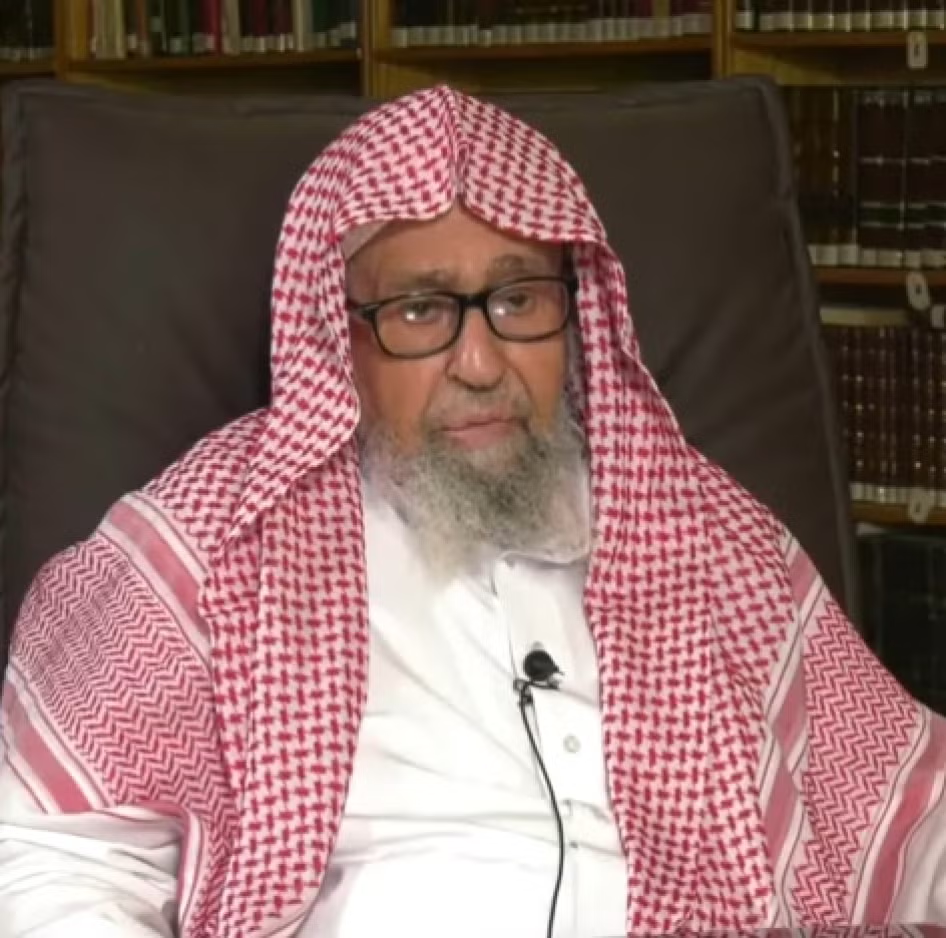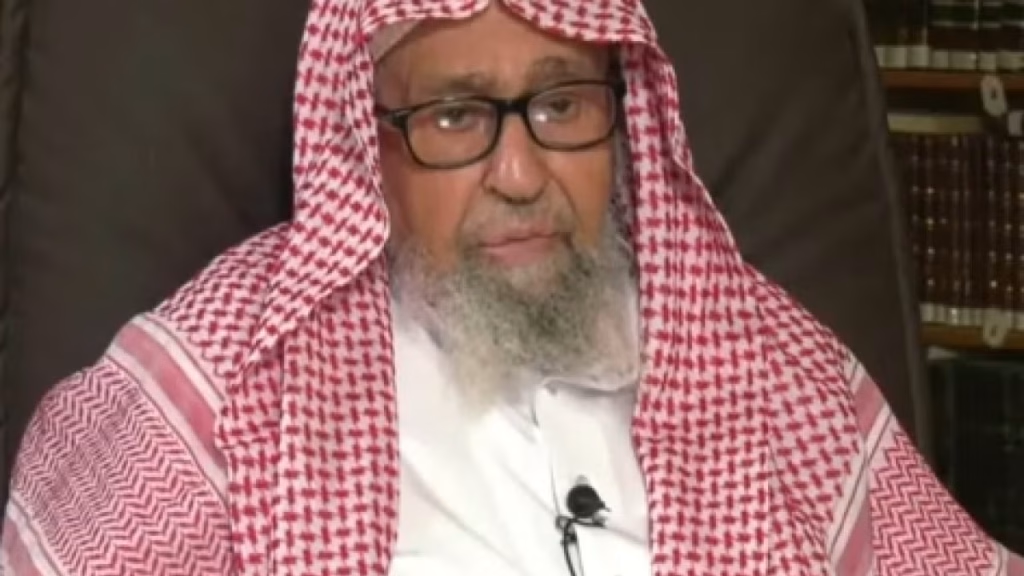
Saudi authorities have previously permitted government-appointed religious scholars and clerics to use hate speech to refer to religious minorities, particularly the country’s Shia Muslim minority. Al-Fawzan has repeatedly referred to Shia Muslims in derogatory and discriminatory terms.
“While Sheikh Saleh al-Fawzan has previously promoted hate speech against Saudi Arabia’s Shia Muslim minority, there is ample opportunity for him to change his tone in his new role as Grand Mufti and instead promote tolerance,” said Joey Shea, Saudi Arabia researcher at Human Rights Watch. “Saudi authorities should follow through with their purported reforms by ending discrimination against religious minorities.”
Saudi Arabia’s Shia Muslim minority have long suffered systemic discrimination and violence by the government, and Saudi religious scholars’ anti-Shia rhetoric has sometimes risen to the level of hate speech or incitement to hatred or discrimination, Human Rights Watch said. Given the influence and reach of these scholars, public anti-Shia statements are instrumental in Saudi Arabia’s enforcement of a system of discrimination against Shia citizens.
Human Rights Watch has previously documented al-Fawzan demonizing Shia people, including while he was a member of the Council of Senior Scholars.
Many Sunni Saudi religious clerics have referred to Shia using derogatory terms such as rafidha or rawafidh, meaning “rejectionists,” and stigmatize their beliefs and practices.
In one recorded question and answer session with al-Fawzan, a man asked whether it is permissible to call rafidha or Shia “our brothers.” The sheikh responded, “They are not our brothers … rather they are brothers of Satan…. Whoever says they are our brothers must repent.”
A Salafi website provides links to at least 11 anti-Shia statements that is says al-Fawzan has made over the years, in most of which he derides Shia as “unbelievers.” In one, al-Fawzan states that Shia “lie about God, his prophet, and the consensus of Muslims … there is no doubt about the unbelief of these [people].”
Al-Fawzan’s hate speech has not abated. In September 2023, he said that Jews, Christians, Shia, and rawafidh “are all enemies of Muslims.” He has also derided women, apparently as recently as earlier in October, saying that “women are not independent” and that they are “weak and cannot manage [themselves].”
Saudi authorities have been carrying out executions at an unprecedented rate in 2025 without apparent due process, including many from the country’s Shia minority. Abdullah al-Derazi and Jalal al-Labbad, both Shia, were executed this year after having been sentenced to death on terrorism charges related to participating in protests when they were children. The charges relate to protests in 2011 and 2012 against the treatment of Saudi Arabia’s Shia population. Al-Derazi was 17 and al-Labbad just 15 at the time of their alleged offenses.
International human rights law requires governments to prohibit “[a]ny advocacy of national, racial or religious hatred that constitutes incitement to discrimination, hostility or violence.”
“As the new Grand Mufti, al-Fawzan should publicly apologize for his previous discriminatory statements and herald a new era of religious tolerance for Shia Muslims in Saudi Arabia,” Shea said.
Your tax deductible gift can help stop human rights violations and save lives around the world.
February 15, 2021 News Release Saudi Arabia: Further Textbook Reforms Needed
May 3, 2019 News Release Saudi Arabia: Second Case Against Jailed Shia Cleric
April 1, 2024 Report “The Boot on My Neck”
Iranian Authorities’ Crime of Persecution Against Baha’is in Iran
May 18, 2016 Report “We Feel We Are Cursed”
June 14, 2018 News Release Africa: Pregnant Girls, Young Mothers Barred from School
September 22, 2026 News Release Niger: Junta Strips 5 More Exiled Critics of Nationality
September 8, 2016 News Release Nepal: Child Marriage Threatens Girls’ Futures
May 17, 2021 Report “Years Don’t Wait for Them”
September 22, 2026 Report Myanmar: Women Political Prisoners Tortured, Ill-treated
Human Rights Watch defends the rights of people in close to 100 countries worldwide, spotlighting abuses and bringing perpetrators to justice
Source: https://www.hrw.org/news/2025/10/29/saudi-arabia-grand-mufti-should-back-religious-tolerance